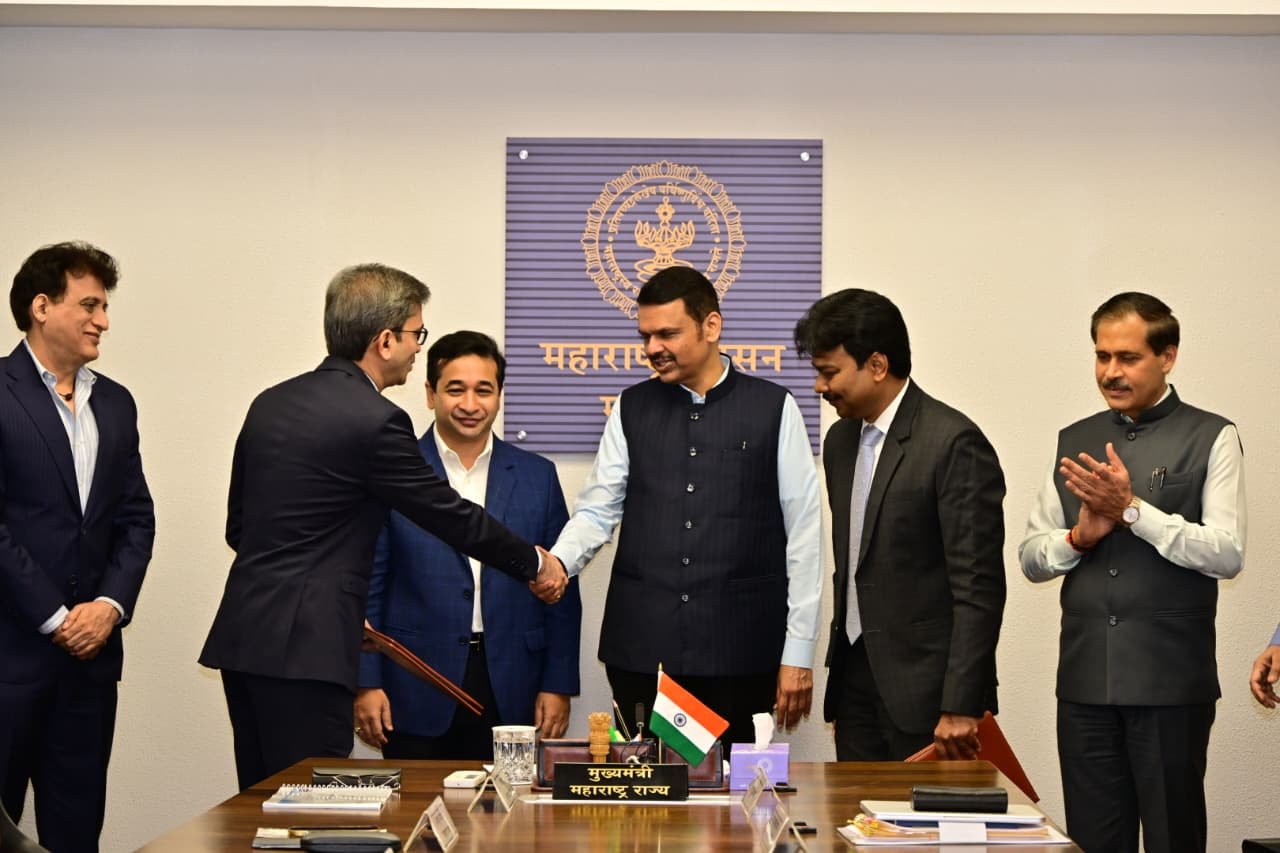

In a significant initiative aimed at improving passenger amenities and promoting gender-sensitive public infrastructure, the Maharashtra State Road Transport Corporation (MSRTC) has signed a Memorandum of Understanding (MoU) with Toyota Kirloskar Motor Private Limited to establish 125 ‘Hirkani Rooms’ at ST bus stations across the state over the next three financial years.
The agreement was formalised in the presence of Chief Minister Devendra Fadnavis, Deputy Chief Minister Eknath Shinde, Deputy Chief Minister Sunetra Ajit Pawar, and Transport Minister Pratap Sarnaik, who also serves as Chairman of the MSRTC.
Enhancing Facilities for Women Travellers
The proposed Hirkani Rooms are designed to provide clean, safe, private, and hygienic spaces for breastfeeding mothers and women travelling with infants. The initiative seeks to address a long-standing gap in public transport infrastructure by creating dedicated facilities where mothers can comfortably breastfeed and care for their babies while travelling.
The project reflects a broader effort to make Maharashtra’s public transport system more inclusive and responsive to the needs of women passengers.
CSR-Funded Infrastructure
According to the MoU, the project will be implemented entirely through Toyota Kirloskar Motor’s Corporate Social Responsibility (CSR) programme, with no direct financial contribution from MSRTC.
Each Hirkani Room is proposed to be a pre-fabricated unit measuring approximately 3 metres by 3 metres, equipped with:
- Private breastfeeding space
- Baby care facilities
- Essential furniture and fixtures
- Internal electrical wiring
- Lighting and electrification
- Basic electronic equipment required for operational use
The initiative illustrates how public-private partnerships can be utilised to improve passenger amenities without placing additional financial pressure on public transport agencies.
Phased Implementation
The project is scheduled to be implemented over three financial years:
- 2026–27: 50 Hirkani Rooms
- 2027–28: 50 Hirkani Rooms
- 2028–29: 25 Hirkani Rooms
The final number and locations may be adjusted depending on available space, local passenger requirements, and CSR implementation priorities.
Responsibilities of MSRTC
While Toyota Kirloskar will finance and install the facilities, MSRTC will provide approximately 5 metres × 5 metres of space at selected bus stations and facilitate access to electricity, water supply, and necessary statutory permissions.
Following completion and handover, the responsibility for:
- Operation
- Security
- Maintenance
- Repairs
- Cleanliness
- Overall management
will rest entirely with MSRTC.
Why the Initiative Matters
MSRTC operates one of India’s largest public bus networks, connecting urban centres with thousands of villages across Maharashtra. Every day, millions of passengers—including women, children, senior citizens, and economically weaker sections—depend on ST services for education, employment, healthcare, and essential travel.
Despite continuous improvements in transport infrastructure, dedicated facilities for breastfeeding mothers have remained limited at many public transport hubs.
The establishment of Hirkani Rooms represents an acknowledgement that public transport infrastructure should address not only mobility but also passenger dignity, accessibility, and gender-specific needs.
EX7 Investigative Research Analysis
From a public policy perspective, the initiative highlights several important trends:
- The project demonstrates increasing use of Corporate Social Responsibility (CSR) funding to improve public infrastructure.
- It reflects a growing emphasis on gender-sensitive transport planning and inclusive public amenities.
- Dedicated maternal care facilities at transport hubs may enhance travel comfort, particularly for women travelling from rural and semi-urban areas.
- The long-term success of the initiative will depend not only on construction but also on maintenance, cleanliness, safety, accessibility, and regular monitoring by MSRTC.
- Periodic public disclosure regarding the selection of bus stations, project timelines, expenditure, operational status, and maintenance standards could further strengthen transparency and public confidence.
Infrastructure projects intended for public welfare often achieve their objectives only when supported by effective implementation, continuous maintenance, and citizen feedback.
Editorial Note
This report is based on official information regarding the Memorandum of Understanding signed between the Maharashtra State Road Transport Corporation (MSRTC) and Toyota Kirloskar Motor Private Limited for the establishment of Hirkani Rooms at ST bus stations across Maharashtra. The analytical observations are intended to provide public policy context and distinguish verified information from broader policy analysis.
EX7 News remains committed to evidence-based, balanced, and public-interest journalism guided by its editorial principles:
“Documents Before Allegations. Facts Before Conclusions. Truth Beyond Headlines.”