By EX7 News | Foreign Affairs & Geopolitical Analysis Desk
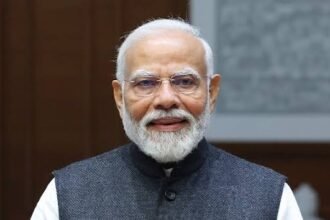
New Delhi | India — Prime Minister Narendra Modi is set to embark on a four-day visit to Uzbekistan and Kyrgyzstan, marking a significant diplomatic outreach aimed at strengthening India’s engagement with Central Asia and addressing key geopolitical challenges.
The visit will include Prime Minister Modi’s participation in the Shanghai Cooperation Organisation (SCO) Summit, where leaders from member countries are expected to discuss regional security, economic cooperation, connectivity, counter-terrorism efforts, and evolving global challenges.
Tashkent Visit Holds Strategic Importance
PM Modi’s visit to Tashkent is being viewed as strategically important amid major geopolitical shifts across Eurasia. Central Asia has emerged as a crucial region due to its location, energy resources, trade routes, and growing importance in global power competition.
India has consistently highlighted the need for stronger connectivity, economic partnerships, and security cooperation with Central Asian nations. The SCO platform provides New Delhi an opportunity to engage with regional powers and promote a balanced approach to international relations.
SCO Summit: Focus on Regional Stability and Security
During the summit, Prime Minister Modi is expected to engage with leaders from SCO member states on issues including terrorism, extremism, regional conflicts, economic cooperation, and sustainable development.
India has repeatedly stressed that terrorism remains one of the biggest threats to regional peace and has advocated stronger cooperation among SCO members to counter security challenges.
Bilateral Talks with Central Asian Partners
Apart from multilateral discussions, PM Modi’s visit is expected to include bilateral meetings with leaders of Uzbekistan and Kyrgyzstan.
The talks are likely to cover areas such as trade, investment, defence cooperation, energy security, education, technology, and cultural exchanges.
India’s engagement with Central Asia has gained importance under its broader “Connect Central Asia” approach, focusing on building stronger partnerships with countries in the region.
Geopolitical Significance for India
The visit comes at a time when global geopolitics is witnessing major realignments. Competition among major powers, changing security dynamics, and challenges to traditional supply chains have increased the strategic importance of Central Asia.
For India, deeper engagement with the region is significant for expanding economic opportunities, securing energy interests, and strengthening its presence in Eurasia.
EX7 News Geopolitical Analysis
Prime Minister Modi’s Central Asia visit represents more than diplomatic symbolism. It reflects India’s effort to expand its strategic footprint in a region that connects Europe, Russia, China, and West Asia.
The SCO platform offers India a valuable opportunity to balance competing geopolitical interests while advancing its priorities on security, connectivity, and economic cooperation.
The outcome of the Tashkent engagements will be closely watched as India continues to shape its role as a key player in the evolving Eurasian geopolitical order.