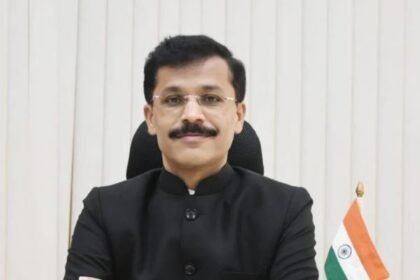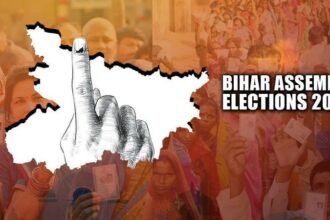

Prashant Kishor’s highly anticipated political debut in the 2025 Bihar Assembly elections ended in disappointment. Despite a massive two-year grassroots campaign, his Jan Suraaj initiative failed to make any electoral dent. While the NDA swept the state with a historic mandate, Kishor’s movement remained peripheral—unable to penetrate Bihar’s deeply entrenched political structures.
This outcome raises two central questions: Why did Bihar reject Prashant Kishor? And what future role does he now play in state politics?
1. Why Did Prashant Kishor Fail to Make an Electoral Impact?
1. A Big Gap Between Public Outreach and Ground Organisation
Kishor travelled extensively across districts and interacted with lakhs of citizens.
But Jan Suraaj lacked:
-
booth-level organisation
-
committed cadres
-
turnout management capability
Bihar elections hinge on micro-level mobilisation—an area where NDA and RJD have decades of experience, and Jan Suraaj had none.
2. No Clear Social or Caste Base
Bihar’s politics is built on stable caste coalitions:
-
NDA: OBC + EBC + Women
-
RJD: Muslim–Yadav (MY)
-
Congress: Upper caste + minority pockets
Kishor positioned himself above caste politics, but in Bihar’s identity-driven environment, having no anchor caste group was a fatal weakness.
3. Overdependence on “Moral Politics”
Kishor campaigned on:
-
clean governance
-
new Bihar vision
-
long-term structural reforms
But voters prioritised immediate issues:
-
jobs
-
stability
-
welfare benefits
-
law and order
Idealism resonated with educated youth but did not translate into votes across the masses.
4. The Strategist Tag Became a Liability
Prashant Kishor is famous nationwide—but as a backroom strategist, not a mass leader.
Many voters viewed him as:
-
a planner, not a politician
-
a technocrat, not a grassroots representative
-
someone with expertise but no administrative experience
This perception limited his ability to command political trust.
5. Weak Messaging and Narrative Penetration
Despite strong digital presence, Jan Suraaj failed to dominate Bihar’s mainstream political conversation.
Voters were absorbed in:
-
NDA’s governance model
-
RJD’s unemployment narrative
-
constituency-level issues
PK’s policy-heavy messaging remained confined to urban and youth audiences.
2. What Role Will Prashant Kishor Play Now?
Despite the electoral setback, PK remains relevant. His next moves could determine whether he becomes a future force in Bihar politics.
1. Strengthening Jan Suraaj for the Long Term
Kishor has stated his project is a 10-year mission. He plans to:
-
expand local committees
-
build booth-level networks
-
create issue-based groups across districts
-
attract young professionals and volunteers
This suggests he is preparing for the 2030 electoral cycle.
2. Becoming a Policy Reform Voice
PK may intensify work in areas like:
-
youth employment
-
educational reforms
-
agricultural policy
-
governance restructuring
His expertise gives him a strong platform to shape policy debates.
3. Emerging as a Third Front in Bihar
Between NDA and RJD, he may position himself as a centrist alternative appealing to:
-
youth
-
women
-
aspirational OBCs
-
migrants
-
educated professionals
A stable cadre could make Jan Suraaj a genuine challenger in the next decade.
4. Possible Selective Return to National Strategy
Though he earlier claimed to quit consultancy, several parties may approach him for 2026–27 state elections. PK might accept selective strategic roles.
5. A Likely Electoral Debut Through By-Elections
There is speculation that Kishor may:
-
contest a by-election
-
join the Legislative Council
-
choose a symbolic constituency
This would help him transition from strategist to mass politician.