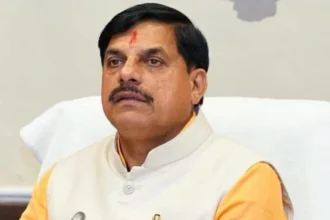

For decades, Maharashtra has seen numerous officers occupy the office of the Food and Drug Administration (FDA) Commissioner. Every appointment has brought expectations of stronger regulation, better enforcement, and greater consumer protection. Yet, despite periodic drives against food adulteration and counterfeit products, the average citizen continued to ask fundamental questions:
Is the food we consume safe?
Can consumers trust the products available in the market?
Is the government doing enough to protect public health?
These questions remained largely unanswered in the public mind.
Many commissioners came and completed their tenures with administrative efficiency, but very few succeeded in creating a direct connection with ordinary citizens. The FDA often remained an institution known mainly to manufacturers, traders, and regulatory professionals rather than the general public.
The arrival of Tukaram Munde as FDA Commissioner has changed this perception.
A Commissioner Who Became a Public Message
Tukaram Munde has earned a reputation over the years as an officer willing to make difficult administrative decisions. Whether in previous assignments or his current responsibility at the FDA, his approach has consistently reflected discipline, accountability, and a willingness to confront systemic challenges.
More importantly, his tenure has renewed public discussion about food safety—a subject that directly affects every household.
Food is not merely a commodity. It is a matter of health, life, and public confidence. Every packet of milk, every bottle of edible oil, every medicine, every spice, every sweet, and every packaged food item reaches millions of families every day. Any compromise in quality can have serious consequences.
The FDA therefore occupies one of the most critical positions in protecting public health.
Restoring Confidence in Government Institutions
Public confidence is one of the most valuable assets of any regulatory authority.
Laws alone cannot protect consumers.
Notifications alone cannot prevent adulteration.
Circulars alone cannot eliminate counterfeit products.
People develop confidence only when they witness visible enforcement, consistent monitoring, and transparent action against violators.
The perception emerging among many citizens is that the FDA under Tukaram Munde has become more visible and more proactive in fulfilling its mandate.
This visibility itself is significant because regulatory agencies often function behind the scenes. When citizens begin discussing food safety in everyday conversations, it indicates that public awareness is increasing.
Beyond Raids: Creating Consumer Awareness
An effective FDA cannot rely solely on inspections and enforcement.
Its larger responsibility includes creating awareness among consumers.
Every citizen should know how to:
- Check manufacturing and expiry dates.
- Identify suspicious packaging.
- Verify FSSAI licensing details.
- Report unsafe products.
- Understand product labels.
- Avoid counterfeit medicines.
- Recognize signs of food adulteration.
A vigilant consumer is the strongest ally of any regulatory authority.
Creating informed consumers is therefore as important as conducting enforcement drives.
The Larger Challenge Before Maharashtra
Food adulteration has evolved into a sophisticated and organised challenge.
Illegal manufacturers frequently imitate well-known brands.
Counterfeit products are sold using deceptive packaging.
Sub-standard edible oils, spices, sweets, dairy products, beverages, and medicines often find their way into markets through complex supply chains.
These activities do not merely violate commercial laws.
They threaten public health.
Unsafe food can contribute to serious illnesses and long-term health risks, particularly among children, elderly citizens, and vulnerable populations.
This makes the FDA’s work not merely regulatory but fundamentally a public health mission.
Strong Enforcement Must Continue
Sustained enforcement is essential to deter those who seek unlawful profits by compromising consumer safety.
Regular inspections, laboratory testing, prosecution of offenders, and coordinated action with other agencies can strengthen regulatory compliance.
At the same time, businesses that comply with applicable laws and maintain quality standards contribute to a safer marketplace and deserve public confidence.
Technology as the Future of Food Safety
Modern food regulation requires technological innovation.
Greater use of digital inspection systems, laboratory upgrades, traceability mechanisms, data analytics, and citizen complaint platforms can strengthen regulatory effectiveness.
The future of food safety lies not only in physical inspections but also in intelligent, technology-driven surveillance systems that help identify risks quickly and improve transparency.
Public Participation Is Essential
Government agencies alone cannot eliminate food adulteration.
Manufacturers, distributors, retailers, healthcare professionals, consumer organisations, and citizens all have important roles.
Consumers should immediately report suspected adulteration or unsafe products to the appropriate authorities instead of remaining silent.
Public vigilance strengthens enforcement.
Leadership That Inspires Confidence
Administrative leadership is ultimately judged by the confidence it inspires among citizens.
People remember officers who demonstrate integrity, transparency, and a commitment to public service.
For many observers, Tukaram Munde has become a symbol of this aspiration.
His work has reinforced a broader belief that determined and accountable governance can improve institutional credibility and strengthen public trust.
A Message Beyond Administration
Tukaram Munde represents more than an individual officer.
He represents an idea.
He represents the belief that determined leadership can strengthen institutions.
He represents the hope that government agencies can function with greater transparency and accountability.
He represents the conviction that public interest must remain at the centre of governance.
Conclusion
The responsibility of the Food and Drug Administration extends far beyond conducting raids or issuing notices.
Its ultimate mission is to ensure that every citizen can purchase food and medicines with confidence, knowing that public health remains the highest priority.
The challenges remain substantial, and sustained institutional effort will be essential to strengthen food safety across Maharashtra.
The message that resonates with many citizens is simple:
Tukaram Munde is not merely an administrator—he has become a message that meaningful change is possible when leadership is guided by integrity, determination, and an unwavering commitment to public service.
When leadership is fearless, institutions grow stronger.
When governance is transparent, public trust deepens.
And when there is a strong collective commitment to accountability, lasting reforms become possible.