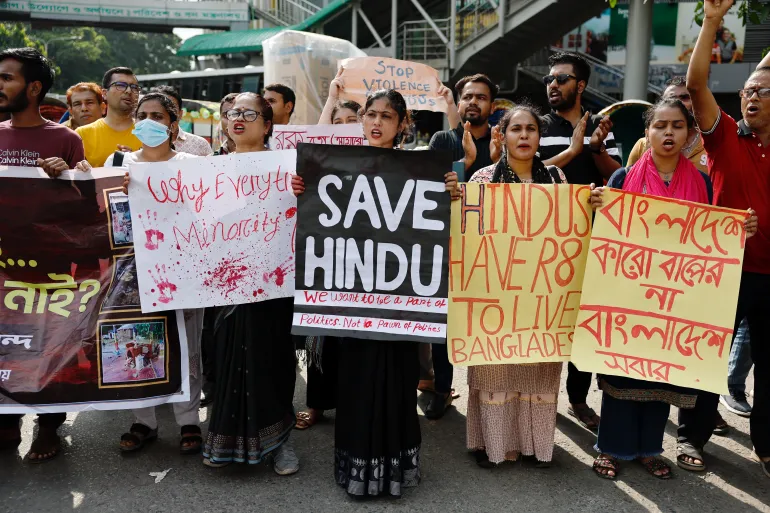

For decades, Bangladesh has projected itself as a democratic nation committed to secular values and equal rights for all citizens. Yet, repeated reports from human rights organizations, media outlets, and community groups have raised concerns about the safety, security, and rights of sections of the Hindu minority in the country.
Many Bangladeshi Hindus allege that they face discrimination, intimidation, attacks on places of worship, land disputes, and social insecurity. During periods of political unrest or communal tension, incidents of violence against minority communities have often become a matter of international concern. Human rights observers have documented episodes in which homes and temples were attacked, families were displaced, and individuals were forced to flee for safety.
For many members of the Hindu community, the pain extends beyond physical violence. It is the feeling of living in fear within the country they have called home for generations. Questions are frequently raised about whether they enjoy equal access to justice, equal protection under the law, and the full range of constitutional rights guaranteed to every citizen.
The issue is not merely political—it is humanitarian. Every citizen, regardless of religion or ethnicity, deserves protection, dignity, and equal opportunity. Governments have a responsibility to investigate allegations of violence, prosecute offenders, and ensure that minority communities can live without fear.
India has repeatedly expressed concern over incidents affecting minorities in Bangladesh, while the international community has also called for impartial investigations and stronger safeguards for vulnerable groups. At the same time, Bangladesh has stated that it remains committed to protecting all its citizens and has taken action in some reported cases. The effectiveness and consistency of these measures continue to be debated by observers and rights advocates.
The suffering of innocent civilians should never become a casualty of politics or communal hatred. Religious identity must not determine a person’s safety, freedom, or future.
As journalists, our responsibility is not to inflame tensions but to seek truth, document verified facts, and amplify the voices of those who believe they have been denied justice. Allegations of human rights violations deserve transparent investigation, accountability, and independent scrutiny.
The world cannot afford to remain indifferent when any minority community fears for its security. Protecting human dignity is a universal obligation that transcends borders, politics, and religion.
(Editorial Note: This article addresses allegations and documented concerns raised by various human rights organizations and public reports. Responsibility for specific incidents should be determined through impartial investigations and due legal process.)