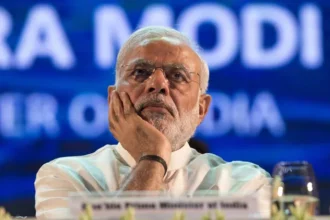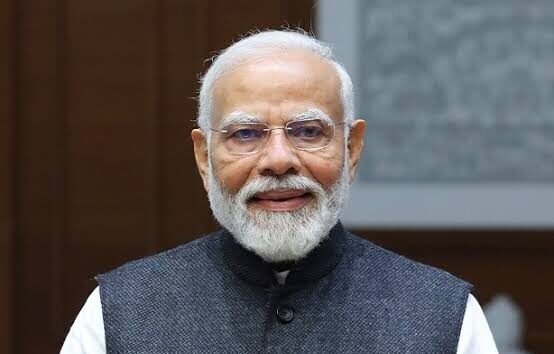

As world leaders gather for the G-20 Summit, Prime Minister Narendra Modi steps into one of the most complex international environments of his tenure. The global system is undergoing a profound reset — shaped by geopolitical fragmentation, economic slowdown, supply-chain instability, and escalating climate crises. For India, which aims to project itself as a stabilising force and the voice of the Global South, the challenges are layered and demanding.
1. Navigating a Fragmented Geopolitical Order
The Russia–Ukraine conflict, the Israel–Hamas crisis, and intensifying US–China rivalry have fractured global alignments. India’s policy of strategic autonomy faces renewed pressure as it attempts to:
-
Balance relations with major powers while retaining credibility among non-aligned nations
-
Safeguard energy security amid volatile oil markets
-
Counter China’s economic influence and military aggression along the border
At the G-20, Modi seeks to position India as a bridge-builder capable of engaging all sides without aligning fully with any geopolitical bloc.
2. Global Economic Headwinds: Inflation, Slowdown & Protectionism
The world economy is slowing, inflation remains high, and debt stress is deepening across developing nations. In this context, India must push for:
-
Reform of global financial governance, including enhanced roles for developing countries in IMF and World Bank
-
Protection against rising trade barriers and tariff wars
-
Stable supply chains and semiconductor access
Modi’s agenda highlights resilient supply networks, inclusive growth, and technology-driven cooperation, positioning India as a participant shaping global rules rather than merely following them.
3. Climate Commitments vs Development Imperatives
The climate crisis has become immediate and visible, with extreme weather affecting multiple continents. Developed nations are pressing emerging economies to accelerate green transitions.
India maintains:
-
Climate justice
-
Equity in responsibilities
-
Need for financial and technological support
Modi’s challenge is to reinforce India’s clean-energy credentials — solar, green hydrogen, EVs — while securing long-promised climate finance and technology transfer that developed nations have repeatedly delayed.
4. Voice of the Global South: Leadership Under Scrutiny
India’s G-20 presidency elevated its status as a champion of the Global South. Now expectations require tangible progress:
-
Debt restructuring frameworks for distressed nations
-
Delivering on African Union inclusion momentum
-
Ensuring access to food, fertilizers, and medicines
Modi must demonstrate that India is not only articulating concerns but also driving actionable outcomes for developing economies.
5. Technology, AI Governance & Digital Public Infrastructure
The world is racing to establish rules for AI, data governance, and digital ecosystems:
-
Western nations favour strict regulatory frameworks
-
China advocates state-controlled digital models
-
India supports a balanced approach combining innovation and accountability
With India’s Digital Public Infrastructure gaining global recognition, Modi faces the challenge of converting this soft-power success into genuine influence in global technology governance.
6. Domestic Political Optics on an International Stage
The summit carries significant domestic implications:
-
It strengthens India’s narrative of rising global influence
-
Diplomatic wins may bolster Modi ahead of upcoming elections
-
Any misstep will be amplified by political opposition and international critics
Foreign policy and domestic politics intersect sharply at this global platform.
Conclusion: A Summit of High Stakes
For Prime Minister Modi, the G-20 Summit represents both a diplomatic test and a major strategic opportunity:
-
A test of India’s ability to navigate global fractures while preserving strategic autonomy
-
An opportunity to solidify India’s role as a consensus-builder, economic reform advocate, and leader of the Global South
At a moment when global trust is eroding, the summit will reveal whether India can continue to punch above its weight and shape international agendas amid historic turbulence.