
Tokyo Initiative Signals a New Era of Economic Diplomacy
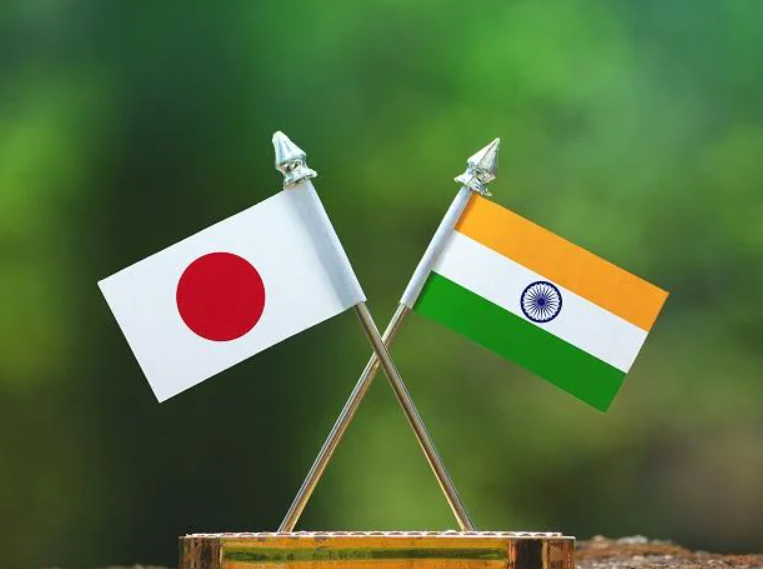
In a significant move aimed at strengthening India–Japan economic relations, Union Commerce and Industry Minister Piyush Goyal has proposed an India–Japan startup pitching platform, inspired by the globally popular “Shark Tank” model. The initiative seeks to connect innovative startups from both nations with investors, venture capitalists, corporate leaders, and strategic business partners through a structured, potentially virtual investment platform.
The proposal goes beyond startup funding. It reflects India’s evolving strategy of using innovation and entrepreneurship as instruments of economic diplomacy.
Why the Proposal Matters
India today hosts one of the world’s largest startup ecosystems, while Japan possesses enormous financial capital, advanced manufacturing capabilities, cutting-edge technology, and global corporate networks.
However, despite decades of strategic partnership, startup collaboration between the two countries has remained below its potential.
The proposed India–Japan “Shark Tank” aims to bridge this gap by:
- Connecting Indian innovators directly with Japanese investors.
- Encouraging Japanese technology companies to partner with Indian startups.
- Supporting co-development of products for global markets.
- Expanding venture capital flows between both countries.
- Building long-term innovation partnerships rather than traditional trade relationships.
Strategic Context
The proposal comes during Piyush Goyal’s visit to Japan with India’s largest-ever business delegation, comprising nearly 200 industry representatives. The broader objective is to deepen trade, investment, manufacturing collaboration, and technology partnerships between the two countries.
Simultaneously, India has expressed willingness to modernize and expand the India–Japan Comprehensive Economic Partnership Agreement (CEPA), recognizing that global supply chains, digital trade, artificial intelligence, semiconductor manufacturing, and clean technologies require stronger bilateral cooperation.
Opportunities for Indian Startups
If implemented effectively, the platform could unlock several advantages:
- Access to Japanese venture capital.
- Partnerships with established Japanese manufacturing giants.
- Entry into one of Asia’s most sophisticated consumer markets.
- Technology transfer and research collaboration.
- Better integration into Indo-Pacific supply chains.
Sectors likely to benefit include:
- Artificial Intelligence
- Robotics
- Healthcare Technology
- Electric Vehicles
- Semiconductors
- Green Energy
- Agritech
- Fintech
- Space Technology
- Deep Tech Manufacturing
Challenges Ahead
Despite the promise, success will depend on overcoming several barriers:
- Language and cultural differences in business negotiations.
- Japan’s traditionally cautious investment approach.
- Regulatory complexities for cross-border investments.
- Intellectual property protection.
- Differences in startup valuation and funding expectations.
- Long approval timelines for Japanese institutional investors.
Experts note that building trust, mentorship networks, and regulatory support will be as important as providing capital.
Economic Significance
India and Japan already share a strong strategic relationship spanning infrastructure, manufacturing, logistics, and technology. Japanese investments have contributed to landmark projects such as the Delhi Metro, Dedicated Freight Corridor, and the Mumbai–Ahmedabad High-Speed Rail.
A startup-focused investment platform would expand this relationship into the innovation economy, creating opportunities for both established corporations and emerging entrepreneurs.
Editorial Analysis
The proposed India–Japan “Shark Tank” is more than a symbolic initiative. It reflects a broader shift in international economic policy—from government-led trade agreements to innovation-driven partnerships powered by entrepreneurs and private investment.
However, its long-term success will depend on implementation. A transparent selection process, sustained institutional support, regular investor engagement, and measurable outcomes will determine whether the platform becomes a transformative engine for bilateral innovation or remains an ambitious announcement.
If executed effectively, this initiative could redefine India–Japan economic cooperation for the next decade, positioning startups—not just corporations—as central pillars of the strategic partnership.