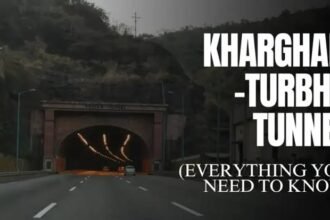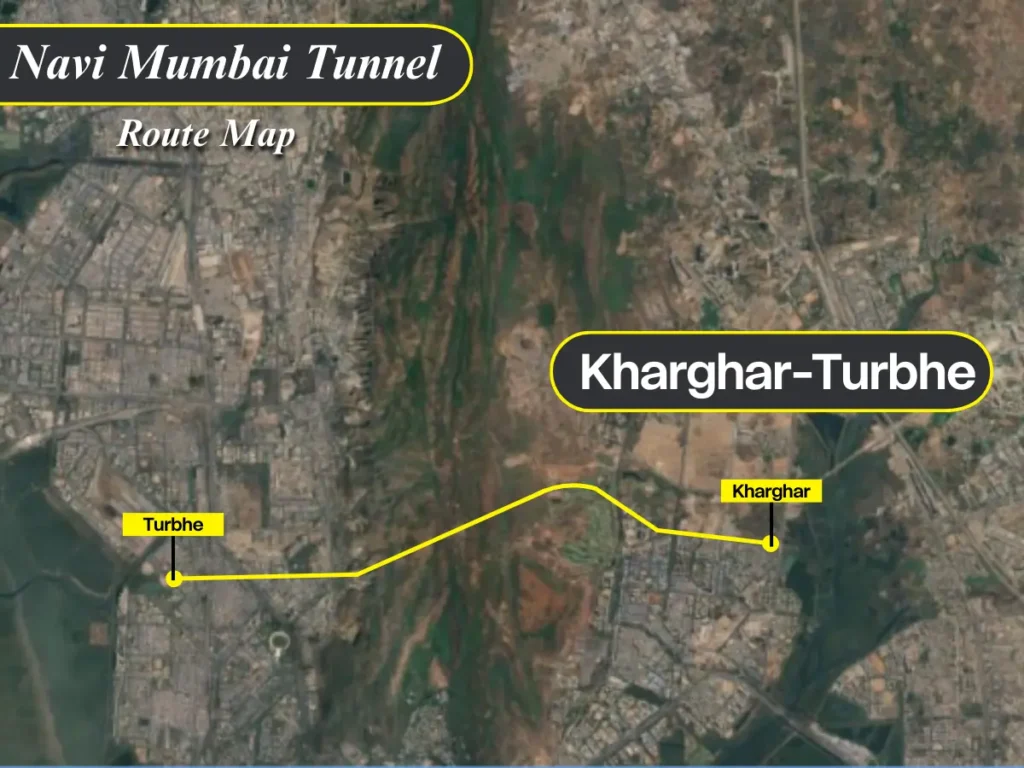

A ₹2,100-crore road-and-tunnel project led by CIDCO has come under intense scrutiny after environmental activists alleged that the agency is proceeding without mandatory environmental clearances. RTI documents accessed by the NatConnect Foundation reveal that there is no trace of an Environmental Impact Assessment (EIA) for the Kharghar–Turbhe Link Road, which cuts through the ecologically fragile Pandavkada Hills.
Key Concerns Raised by Activists
1. No Record of an EIA
RTI responses from the Maharashtra Environment & Climate Change Department state that there is no EIA report on file for the project.
The department simply referred to “available MCZMA records” and added that “the information sought is not available with this office.”
NatConnect Director B. N. Kumar said these vague replies “are standard tactics when authorities have no answers.”
2. Threat to Local Biodiversity
The project includes 1.8 km of twin tunnels and a 3.4 km elevated viaduct across the Kharghar hill range.
Environmentalists warn that these hills host rich biodiversity. A BNHS survey records:
-
239 plant species
-
295 insect species
-
179 bird species
-
Presence of golden jackals and possible leopard movement
Experts argue that CIDCO’s internal biodiversity reports are unreliable—similar earlier EIAs in Kharghar failed to document even globally threatened species.
3. Hill Cutting Without Permission
Another RTI response revealed CIDCO has no permission from the State Environment Department to cut into the Kharghar hills.
Activists allege CIDCO is treating large-scale hill cutting as routine construction work, bypassing strict environmental and forest regulations.
4. Suspected Rushed Timelines
Work on the project resumed suddenly, with CIDCO targeting December 31, 2028 as the completion deadline.
Environmental groups claim the project is being “hurried through” without public hearings or proper environmental diligence.
5. Eco-Tourism Vision Abandoned
Before the tunnel plan, the Forest Department had proposed turning the Pandavkada–Kharghar hill region into an eco-tourism zone.
Activist Jyoti Nadkarni argues that the tunnel development has effectively sidelined a sustainable, nature-based alternative.
Legal and Policy Concerns
Mandatory EIA?
Given the scale and ecological sensitivity of the project, an EIA appears legally mandatory under the Environment Protection Act and EIA Notification.
Forest & Hill-Cutting Laws
If hill cutting is underway without explicit permission, it could constitute violations under:
-
Forest Conservation Act
-
Maharashtra Tree Act
-
MPCB norms
Public Hearings Skipped
EIA law typically requires public consultation. If there was none, the project may face legal challenge for procedural lapses.
Regulatory Lapses
The absence of documentation suggests either negligence or complicity by state environmental authorities.
Risks Highlighted by Environmentalists
-
Ecosystem damage due to loss of flora, fauna, and habitat
-
Geological instability, increasing landslide risk during monsoon
-
Air and dust pollution from excavation and construction
-
Loss of eco-tourism potential in one of Navi Mumbai’s most scenic hill zones
CIDCO’s Stand — and the Contradictions
CIDCO maintains that all required clearances have been obtained, but has not publicly produced any EIA documents.
The contradiction is stark:
-
RTI replies: “No EIA available.”
-
CIDCO’s claim: “All permits are in place.”
This unresolved gap raises serious accountability concerns.
What Further Investigation Requires
1. RTI Follow-ups
Seek records on:
-
All EIAs submitted by CIDCO
-
Public hearing minutes
-
Forest clearances
-
Tree-felling and biodiversity surveys
2. Independent Biodiversity Survey
Engage BNHS, ecologists, or universities for:
-
Rapid species assessment
-
Drone/GIS mapping of hill cutting
3. Legal Review
Assess whether:
-
Lack of EIA violates environmental law
-
Forest laws have been bypassed
-
Data manipulation or non-disclosure occurred
A PIL may be possible.
4. Public Mobilisation
Organise community hearings, media outreach, and public forums in Kharghar and Turbhe.
5. Regulatory Push
Urge:
-
Environment Department to upload clearance documents online
-
MCZMA to re-audit the project
-
Forest Department to verify hill cutting permissions
Conclusion: Development vs. Due Process
While the Kharghar–Turbhe tunnel road will reduce travel time and support regional connectivity, activists argue that it must not come at the cost of ecological destruction or legal violations.
The absence of a traceable EIA, missing permissions, and conflicting official statements indicate a deeper problem: a mega-project moving ahead without transparent environmental safeguards.
Until CIDCO publicly releases all clearances, biodiversity assessments, and geological studies, the project will remain clouded by suspicion — and at risk of legal and environmental backlash.