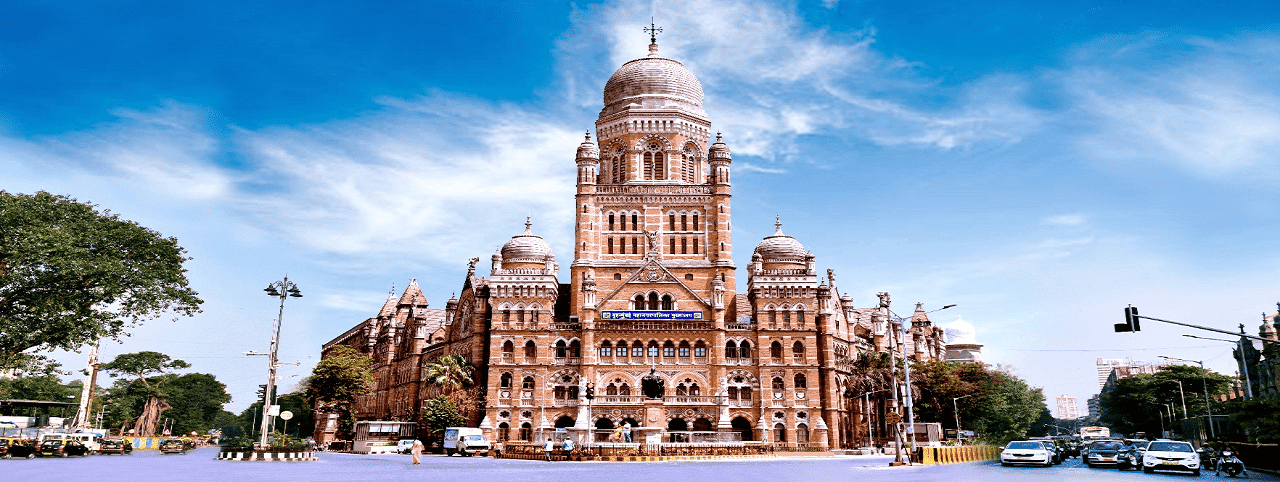

Navi Mumbai — a planned city whose skyline of high-rises, mangroves and long arterial roads has become shorthand for Maharashtra’s new urban India — is finally gearing up for municipal elections after years under administrative rule. This cycle is different: the state has redrawn wards and moved to a panel-based system, reservation rules have shifted dramatically, opposition parties have publicly contested the voters’ roll and timing, and local service failures (from water shortages to stalled projects) have sharpened voter expectations. The result is a high-stakes contest in which credibility and delivery, more than old loyalties, will decide outcomes.
What Changed Since the Last Elections
• New ward architecture and panels
The State Election Commission and NMMC have replaced the old single-member ward layout with a multi-member “panel” system (28 panels, 111 seats), shifting how candidates and parties will organise, campaign and target voters. That change alone reshapes candidate selection, coalition tactics and the math of winning control.
• Reservation and gender balance
The reservation draw has set aside a significant share of seats for women (about 50% of seats) and allocated many seats to SC/ST/OBC categories. That opens space for previously under-represented voices and forces parties to find credible local women leaders.
• Political context
Several major parties (NCP, Shiv Sena (UBT), BJP, Congress and smaller regional outfits) are recalibrating after years without an elected civic body; opposition leaders also publicly demanded postponement over voter-list anomalies while the State Election Commission pushed ahead. The friction over timing and rolls has injected mistrust into the process even as the SEC says it must meet legal timelines.
Why Credibility Matters More Than Ever
Voters in Navi Mumbai are urban, connected and issue-focused. In recent months the city’s service failures — notably water shortages and multiple stalled civic projects — have been repeatedly raised by local leaders and media. That means municipal governance (water, drainage, urban planning, waste management, local roads) is front-and-centre; symbolic politics alone will not satisfy an electorate demanding functioning services. Parties with credible local track records or convincing, detailed plans for delivery will gain an edge.
Challenges Parties Face
1. Candidate pipeline under the panel system
Parties must now field panels (multiple candidates per panel) rather than single names. This raises coordination costs, increases the importance of local networks, and rewards parties that can present balanced, complementary teams rather than single strongmen.
2. Meeting gender and reservation requirements
With half the seats reserved for women and many for OBC/SC/ST, parties will be forced to promote (or quickly identify) credible candidates from those categories. Tokenism will be exposed quickly in an urban, media-savvy electorate.
3. Trust deficit over voter rolls and timetable
Opposition complaints about electoral rolls and calls for delay have created an atmosphere of suspicion. Election authorities will have to demonstrate transparency in rolls, polling booths and counting to preserve legitimacy.
4. Candidate quality and criminality
Past analyses of Navi Mumbai civic winners showed a notable share of candidates with declared criminal cases; as civic power returns, civil-society scrutiny of candidates’ records will intensify, affecting party reputations. Parties that don’t vet their candidates risk losing middle-class and first-time voters.
Opportunities — Why This Is a Golden Moment for New Faces
Because elections were postponed for several years, civic demand has accumulated: residents are frustrated by delayed projects, service lapses and the absence of elected accountability. That pent-up demand is a rare opening for credible newcomers, independent civic platforms and principled local leaders who can articulate concrete fixes (water management plans, timely monitoring of capital works, transparent grievance redressal).
The panel system amplifies that opportunity: a well-organised, local team can capture a full panel rather than rely on single-seat victories.
What Voters Should Watch For
• Clear delivery plans (not slogans) on water, sewage, roads and solid waste.
• Candidate backgrounds — criminal records, asset declarations and prior civic work. Civil-society scorecards and local media fact-checks will matter.
• Transparency in the electoral process — updates to voter rolls, accessible reservation draws (which were publicly conducted), and clear polling arrangements. The State Election Commission’s public steps to finalise wards and reservations will be an important credibility signal.
How Parties Can (and Should) Respond
-
Field accountable panels: present teams with complementary skills (local governance experience, technical knowledge, women leaders, community connectors).
-
Publish short, costed “first 100-day” action plans for visible wins (repair streetlights, clear blocked drains, restore water supply schedules). Quick wins build trust.
-
Commit to post-election transparency: public dashboards for project status, participatory ward budgets, and regular town-hall updates.
-
Vet candidates rigorously: avoid nominees with serious criminal cases or poor track records on delivery — urban voters will punish opportunistic shortcuts.
Conclusion — Fair Elections, Real Stakes
This Navi Mumbai municipal election is more than a routine local contest. It is a reset — new ward structures, large-scale reservations for women and under-represented groups, and a citizenry hungry for accountable service delivery. For parties it’s a test of organisational depth and credibility; for voters it’s a chance to replace administrative rule with accountable governance that addresses everyday problems. If election authorities maintain transparency (in rolls, reservations and polling) and parties respond with credible, service-focused panels, Navi Mumbai can move from a period of deferred civic control to one of pragmatic, results-driven local government. Fair elections are not an end in themselves — they are the route to better water, cleaner streets, timely projects and the everyday civic dignity residents expect.