
Across India’s vast and varied landscape — from the icy peaks of Uttarakhand to the sunlit coasts of Tamil Nadu — stand twelve radiant pillars of devotion: the Dwādash Jyotirlingas, the most sacred shrines dedicated to Lord Shiva. For millennia, these holy sites have served as far more than pilgrimage destinations. They have acted as civilisational anchors, connecting India through shared faith, shared traditions, and a shared spiritual spirit rooted deeply in Sanatana Dharma.
In an age of shifting identities and rapid social change, the Jyotirlingas serve as a timeless reminder that India’s unity is not built on territory or politics — it is spiritual.
A Spiritual Map That Mirrors India’s Civilisational Unity
The Jyotirlingas are distributed across India in a way that resembles an ancient, deliberate design — a sacred map ensuring that in every direction a seeker travels, divine presence accompanies them.
West
-
Somnath (Gujarat)
-
Nageshwar (Gujarat)
Central India
-
Mahakaleshwar (Madhya Pradesh)
-
Omkareshwar (Madhya Pradesh)
South
-
Rameshwaram (Tamil Nadu)
-
Mallikarjuna (Andhra Pradesh)
North
-
Kedarnath (Uttarakhand)
-
Kashi Vishwanath (Uttar Pradesh)
East
-
Vaidyanath (Jharkhand/Bihar)
Maharashtra Cluster
-
Bhimashankar
-
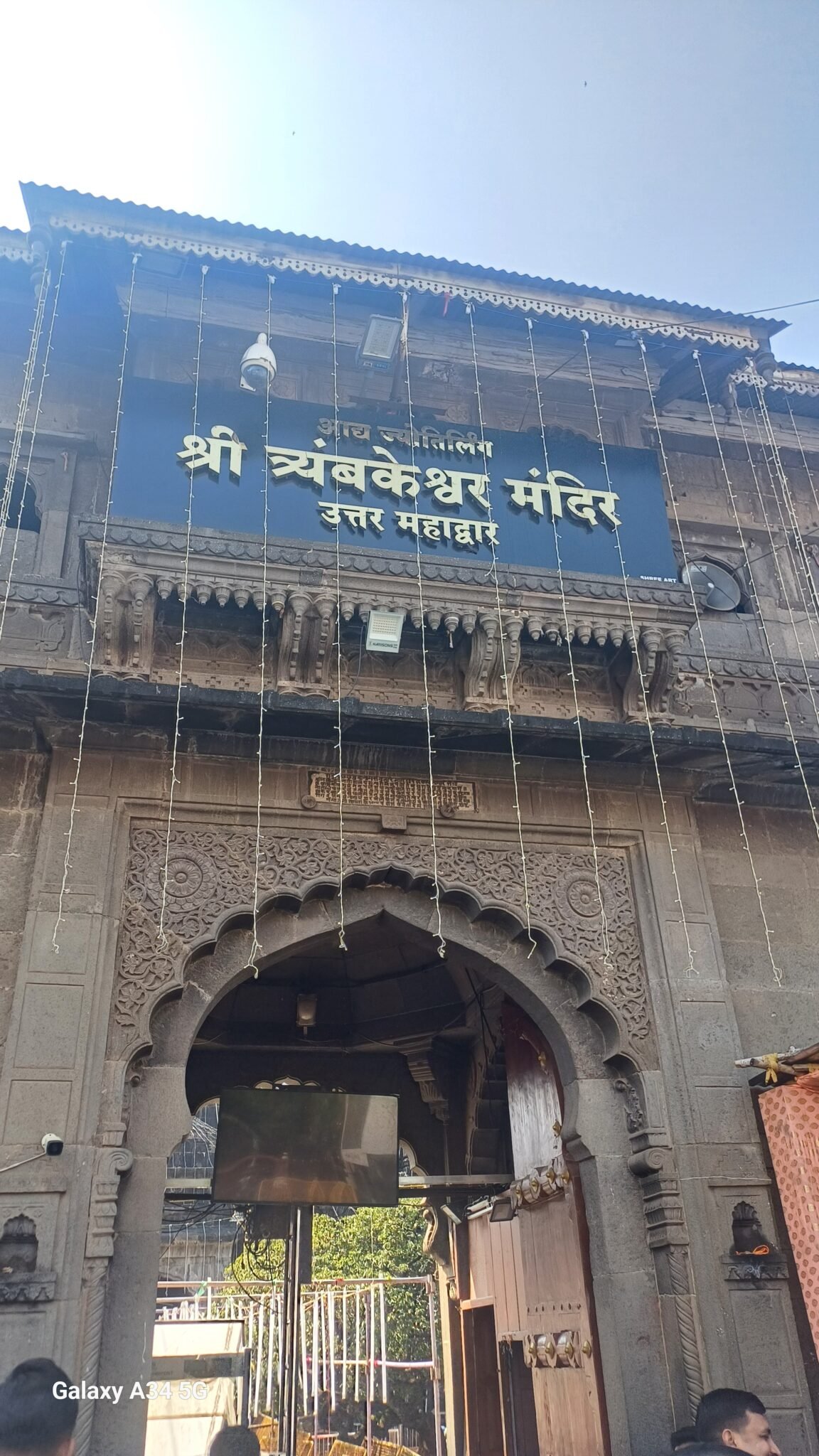
Trimbakeshwar
-
Grishneshwar
This distribution reflects a profound civilisational consciousness — an understanding that spiritual unity flows naturally when divine centres exist across every corner of the land.
Unity in Rituals, Diversity in Culture
One of the most remarkable aspects of the Jyotirlingas is the spiritual continuity they maintain despite existing in culturally distinct regions.
Whether you sit in the silent Himalayan aura of Kedarnath,
or bow near the ocean winds of Rameshwaram,
the essence of Shiva-worship — the mantras, the abhisheka, the meditative calm — remains constant.
Across thousands of kilometres:
-
Priests chant the same Vedic mantras
-
Devotees follow the same rituals
-
Temples echo with the same spiritual vibrations
This is not the result of centralised control but of India’s organic civilisational flow — shaped by wandering yogis, scholars, saints, and seekers who carried the knowledge of Shiva across centuries.
Centres of Meditation, Mysticism, and Yogic Traditions
Each Jyotirlinga is more than a temple; it is a spiritual story woven into India’s cultural memory:
-
Kedarnath: the Pandavas’ path of redemption
-
Kashi Vishwanath: gateway to moksha
-
Somnath: emblem of resilience through invasions
-
Rameshwaram: where Lord Rama sought Shiva’s blessings
-
Mahakaleshwar: where even time bows to Mahakaal
Historically, these were hubs for:
-
Nath yogis
-
Aghori ascetics
-
Shaiva scholars
-
Advaita philosophers
They preserved meditation techniques, mystical traditions, and scriptural wisdom that shaped India’s spiritual heritage.
Decentralised Yet Unified — The Strength of Sanatana Dharma
Unlike many world religions with central authorities, the Jyotirlingas evolved independently in different regions. Their decentralised nature allowed local culture, language, and tradition to flourish — while still holding the same spiritual nucleus.
Thus:
-
Somnath belongs to Gujaratis
-
Rameshwaram belongs to Tamilians
-
Kashi to North Indians
-
Kedarnath to the Himalayas
And yet all twelve belong to every Hindu across India.
This is the essence of Sanatana Dharma —
Unity without uniformity, diversity without division.
India’s Deepest Cultural Connector
Even today, millions of pilgrims travel across states, cutting through linguistic, regional, and demographic lines:
-
Maharashtrian devotees in Kedarnath
-
Tamil pilgrims in Kashi
-
North Indians praying at Rameshwaram
Everywhere, they find the same rituals, the same atmosphere, and the same divine presence.
The Jyotirlingas thus serve as living proof of India’s civilisational continuity — an unbroken chain of faith connecting generations across millennia.
A Garland of Twelve Flames — Shiva’s Eternal Presence
The twelve Jyotirlingas are not just shrines; they are soul-markers of India. Together, they form a divine garland encircling the nation — each temple a bead glowing with Shiva’s consciousness.
In a world where identities often clash, the Jyotirlingas remind us that true unity is not created by force, laws, or political boundaries.
It emerges from:
-
shared faith
-
shared rituals
-
shared reverence
-
and shared civilisational belonging
They bind India not with power, but with bhakti.
Not with ideology, but with eternal truth.
Not with uniformity, but with spiritual harmony.
As long as the Jyotirlingas stand, India’s soul remains unbroken — illuminated by the radiant flame of Mahadev.