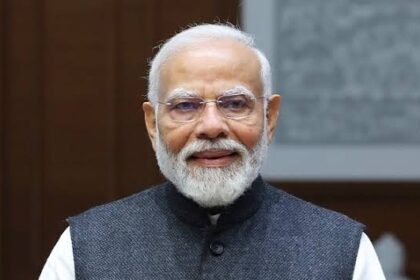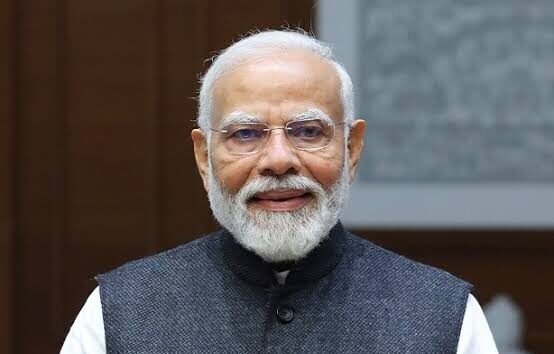

Over the past decade, Narendra Modi has become one of the most recognisable and influential political figures on the world stage. Whether at major summits, bilateral meetings, or global diplomatic forums, Modi’s presence consistently attracts global attention. His influence is driven by India’s rising economic power, a more assertive foreign policy, extensive diaspora outreach, and his own charismatic communication style.
A Global Political Brand
Narendra Modi is among the handful of global leaders whose personal brand extends far beyond traditional diplomacy. His outreach events in the US, UK, Australia, UAE, and Europe often draw huge crowds of Indian diaspora participants — a phenomenon rarely seen for foreign leaders. Mass events like “Howdy Modi” in Houston and “Namaste Trump” in Ahmedabad showcased a unique mix of cultural diplomacy and political showmanship.
Modi’s international image is shaped around:
-
A decisive and assertive leadership style
-
A champion of economic modernization and technology
-
A key strategic player in the Indo-Pacific
-
A promoter of India’s cultural and soft power identity
India’s Rise Is Central to Modi’s Global Influence
India’s rapid economic growth and expanding strategic relevance are at the core of Modi’s influence abroad. Nations increasingly view India as a prominent stakeholder in the global economy, digital transformation, renewable energy, and defence partnerships.
Major geopolitical pillars supporting Modi’s influence include:
-
The Quad (India–US–Japan–Australia): India’s role as a balancing power in the Indo-Pacific
-
G20 Presidency (2023): A turning point that significantly elevated India’s global standing
-
Strong US–India ties: Focused on defence, space, technology, and security
-
Deepening ties with the Middle East: Particularly with UAE, Saudi Arabia, and Israel
-
Growing partnerships in Europe: In areas such as trade, green energy, and geopolitics
These factors position Modi as a central figure in discussions related to emerging markets, global security, and climate negotiations.
How Powerful Is Modi Among Global Leaders?
Purely on global political influence, Modi ranks among the world’s top leaders shaping international affairs.
Modi’s global power is rooted in:
1. India’s Strategic Autonomy
In a world polarised between Western blocs, China, and Russia, India’s ability to engage all sides gives Modi unique diplomatic leverage. Few leaders maintain this breadth of partnerships.
2. Leadership of the Global South
India’s effort to amplify the voice of developing nations has resonated strongly. Modi’s successful push to include the African Union in the G20 marked a major diplomatic achievement.
3. Assertive Diplomacy
Modi’s foreign policy stance on border security, counterterrorism, maritime issues, and indigenous defence production projects India as confident and self-reliant. Many nations value this clarity.
4. Strong Global Communication Influence
Modi is one of the most-followed world leaders on social media, allowing him to shape narratives across continents in real time.
How World Leaders View Modi
Positive Perceptions
-
A dependable strategic partner
-
A stable and long-term negotiator
-
A leader representing a rapidly growing democracy
-
A key figure in Indo-Pacific power calculations
Critical Views
-
Some Western think tanks express concerns over India’s domestic polarisation
-
Human rights groups critique certain internal policies
But geopolitically, Modi remains indispensable to major global negotiations — especially where developing nations or Indo-Pacific security are concerned.
One of the Most Influential Leaders in the World Today
Narendra Modi’s global prominence is the outcome of India’s rise, an assertive diplomatic roadmap, and his personal leadership brand. At platforms like the United Nations, G20, Quad, BRICS, SCO, and high-level summits, Modi commands significant visibility and political weight.
His influence goes beyond symbolic diplomacy — it impacts strategic decisions, aligns regional priorities, and positions India as a decisive force in a shifting world order.
As geopolitical power transitions from unipolar dominance to a multipolar competition, Modi remains one of the most impactful, closely watched, and influential leaders shaping global affairs today.