
West Bengal’s political climate has entered a tense and polarised phase after the Union Government announced that 34 lakh Aadhaar cards in the state have been flagged as “inactive” due to discrepancies, non-verification, or prolonged non-usage.
While the Centre insists this is part of a nationwide cleanup of inactive or fraudulent Aadhaar profiles, the scale of the move in Bengal has sparked major political uproar—especially as the BJP intensifies its campaign ahead of the 2026 Assembly elections.
BJP’s Bengal Momentum: Supporter Enthusiasm at Peak Levels
The BJP, after years of attempting to dismantle the TMC’s dominance, appears to be regaining traction. The party’s rallies across Kolkata, Hooghly, Medinipur, Cooch Behar, and North 24 Parganas are drawing massive crowds, echoing the energy seen during the 2021 elections.
Key Indicators of Rising BJP Momentum
-
Strengthened booth-level mobilisation under Mission Bengal 2026
-
Large public turnouts even at district-level weekday events
-
Sharp resonance of BJP’s messaging on corruption, infiltration, and governance failures
-
Growing dissatisfaction over rural welfare leakages and local-level administration
Within the BJP, there is renewed belief that the tide in West Bengal may finally be turning.
Mamata Banerjee’s Frustration Evident
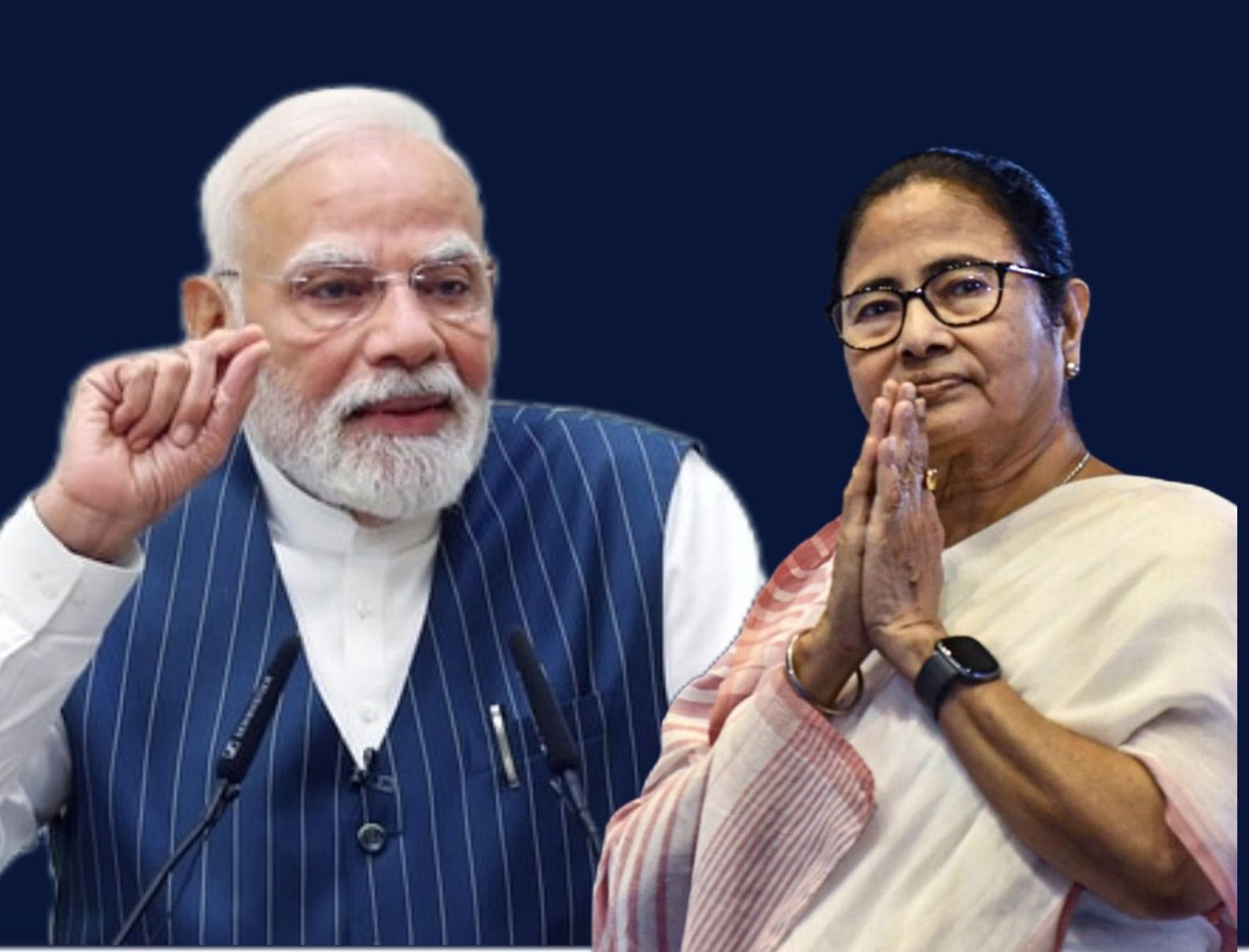
Chief Minister Mamata Banerjee has strongly condemned the Aadhaar move, calling it a politically driven attempt to target Bengal’s poor and disrupt state-run welfare benefits. In her recent speeches, she has accused the Centre of trying to “snatch away the rights” of Bengal’s people.
Observers note a visible change in her tone:
-
More emotional appeals
-
Aggressive attacks on the Centre
-
Repeated warnings of mass agitation
-
Signs of pressure over slipping administrative grip
This frustration comes amid a challenging backdrop for the TMC:
-
Corruption controversies
-
CBI/ED investigations
-
Internal factional rifts
-
Weakening hold over rural belts
For a leader known for her sharp political instinct, these reactions reflect the tense moment the ruling party faces.
Public Sentiment: From “Sonar Bangla” to Concerns of Decline
The TMC has long promoted the image of a prosperous, rising Bengal. But current public mood suggests increasing disillusionment.
1. Administrative Breakdown
Teacher recruitment scandals, protests by employees, and delays in welfare schemes have fed perceptions of governance failure.
2. Economic Concerns
Industries face persistent issues:
-
Land acquisition hurdles
-
Investment stagnation
-
MSME closures
-
Youth migration
Many feel Bengal is lagging behind faster-growing states like Gujarat, Karnataka, and Uttar Pradesh.
3. Law-and-Order Issues
Political violence, extortion, and clashes during elections have damaged social stability.
4. Corruption Fatigue
Scandals involving TMC leaders—from cash hauls to teacher recruitment scams—have severely eroded trust.
This has strengthened a growing public belief that Bengal’s governance model is slipping.
Is the Political Wind Changing Direction?
Several developments suggest the possibility of a political shift:
-
Rising BJP activity even in erstwhile TMC strongholds
-
TMC’s organisational struggles
-
Cracks appearing in minority vote consolidation
-
Economic stress deepening anti-incumbency
-
Urban frustration over deteriorating civic services
Political analysts say the current mood is reminiscent of the 2019–2021 phase, but with stronger anti-incumbency and deeper internal weaknesses within the TMC.
If the BJP can maintain unity and expand its reach, it could pose its most significant threat yet to Mamata Banerjee’s long-held dominance.
Bengal at a Crossroads
The decision to deactivate 34 lakh Aadhaar cards has not only created administrative confusion but also intensified Bengal’s political churn.
It has energised BJP cadres, exposed TMC’s vulnerabilities, and deepened sentiments of change across the state.
The 2026 Assembly election could become one of Bengal’s most decisive electoral battles—signalling either the start of a new political chapter or the fiercest fight the TMC has ever encountered.
The coming months will reveal whether Bengal is witnessing a temporary disturbance or the beginning of a historic transformation.