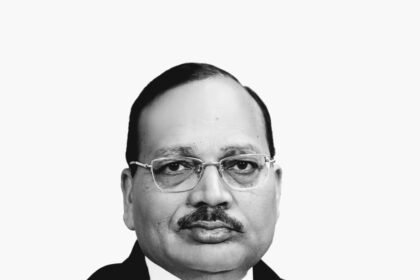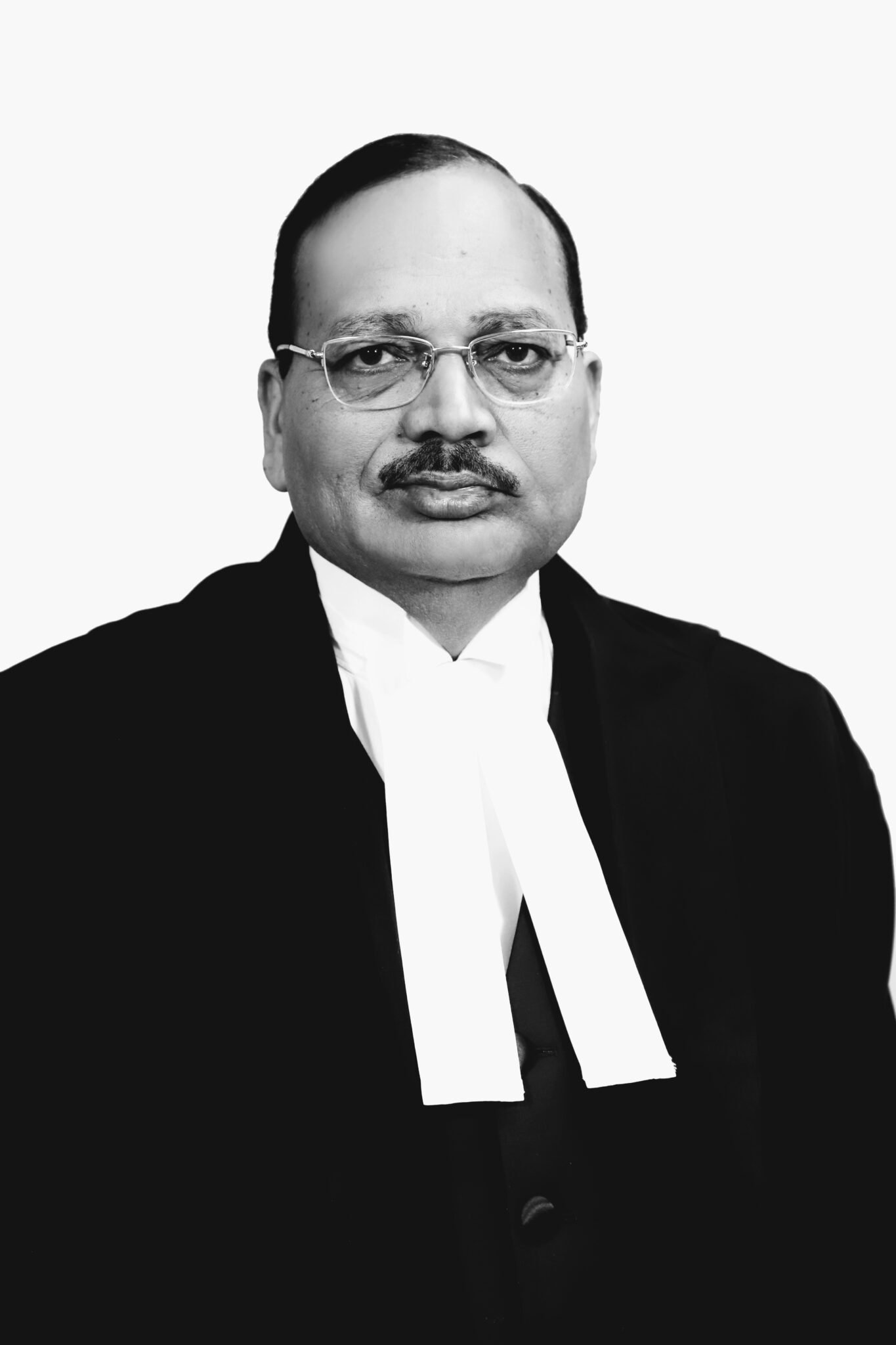

Justice Surya Kant was sworn in today as the 53rd Chief Justice of India, succeeding Justice B. R. Gavai, who demits office tonight. His elevation marks a major moment for the judiciary and represents the culmination of an extraordinary personal journey — from a rural classroom in Haryana to the highest judicial office in the country.
From Village School to the Supreme Court
Born on February 10, 1962, in Petwar village in Hisar district of Haryana, Justice Surya Kant grew up in a modest, middle-class household. He studied in a village school that lacked even basic infrastructure such as benches, balancing academics with daily family responsibilities.
After completing his schooling, he earned his law degree from Maharshi Dayanand University, Rohtak in 1984. He began his legal career at the Hisar district court before shifting to Chandigarh, where he established himself at the Punjab & Haryana High Court.
His judicial career progressed steadily:
-
2004: Appointed Judge, Punjab & Haryana High Court
-
October 2018: Elevated as Chief Justice, Himachal Pradesh High Court
-
May 2019: Elevated to the Supreme Court of India
Today’s oath ceremony marks the latest milestone in that trajectory.
A 15-Month Tenure Ahead
Justice Kant is expected to serve as Chief Justice for nearly 15 months, retiring on February 9, 2027, upon turning 65.
His appointment follows the seniority convention, with outgoing CJI Gavai recommending him as successor.
Key Judgments and Judicial Contributions
During his tenure at the Supreme Court, Justice Kant has been part of several significant constitutional and public-interest rulings, including:
1. Article 370 Abrogation
Part of the five-judge bench that upheld the removal of Jammu & Kashmir’s special status.
2. Electoral Roll Transparency
In matters relating to Bihar’s Special Intensive Revision, he pushed the Election Commission to reveal details of over 65 lakh voter exclusions.
3. Sedition Law
Helped suspend the colonial-era sedition law, directing that no new FIRs be filed until the government completed its review.
4. Pegasus Surveillance Case
Ordered the formation of a technical committee to examine alleged spyware use, noting that “national security cannot become a free pass” to override constitutional rights.
5. One Rank, One Pension (OROP)
Upheld the OROP scheme and directed the government to clear arrears within a defined timeline.
6. Gender Justice and Local Governance
Restored a woman sarpanch who was unlawfully removed, reinforcing grassroots democracy.
Also ordered that bar associations, including the Supreme Court Bar Association, reserve one-third of their seats for women.
Judicial Philosophy and Priorities
Justice Kant assumes office at a crucial time, with the judiciary facing growing case backlogs, demands for reform, and heightened public scrutiny. Known for his calm demeanor, scholarship, and focus on access to justice, he is expected to emphasize:
-
Reducing pendency, especially in lower courts
-
Strengthening legal aid systems, drawing from his work with NALSA
-
Advancing digitization while remaining sensitive to grassroots realities
A Symbol of Aspiration and Representation
Justice Surya Kant’s rise — from studying under lamplight in a rural school to becoming Chief Justice of India — stands as a powerful narrative of social mobility. His story reinforces confidence in the judiciary as an institution that values merit, perseverance, and integrity.
Looking Ahead
As Justice Kant takes charge, the legal fraternity and civil society will watch closely. His tenure will test his judicial vision, administrative capability, and commitment to strengthening India’s constitutional framework.
The next 15 months may play a defining role in shaping both institutional reform and the broader direction of India’s judiciary.