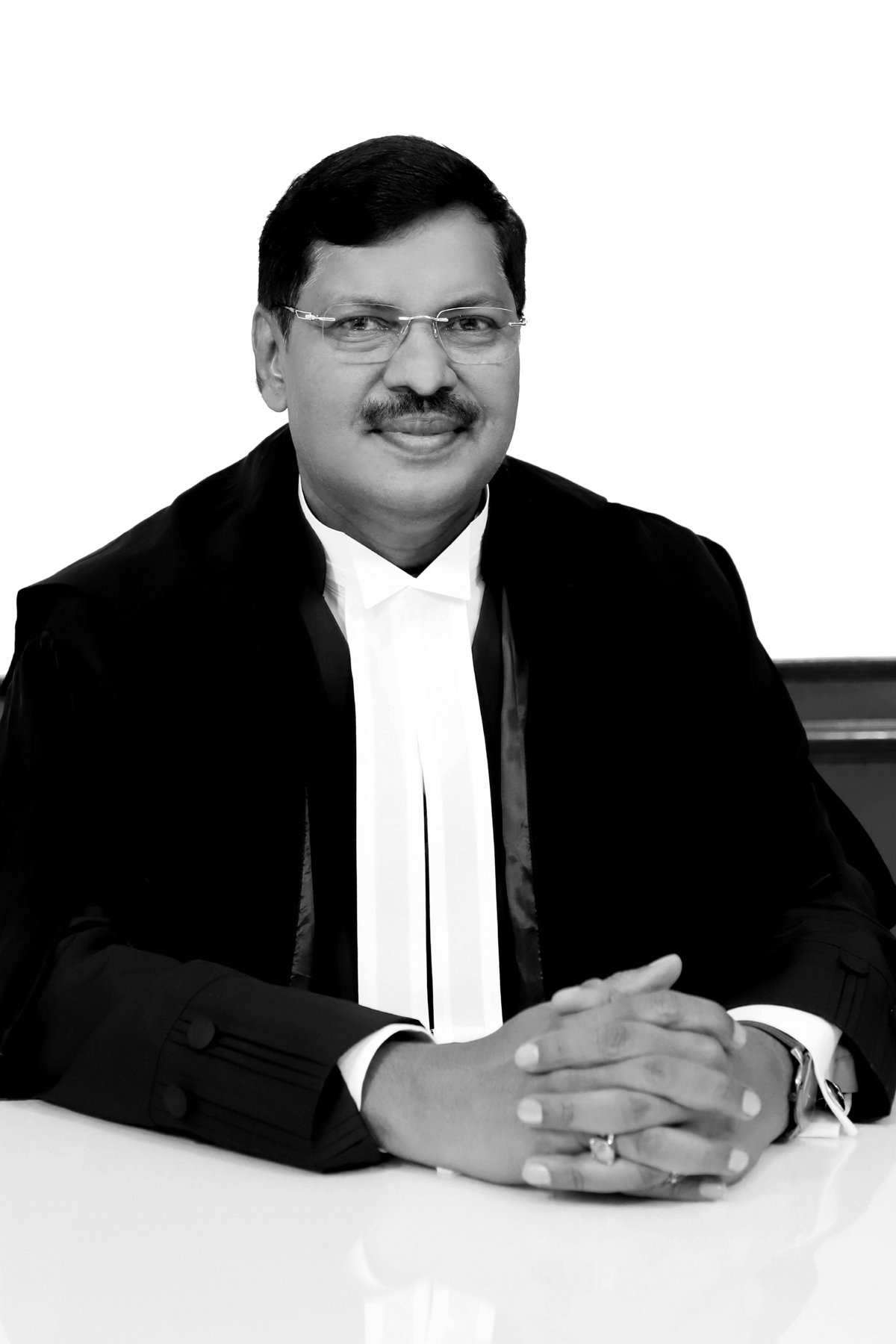

As national debate intensifies over whether the “creamy layer” principle should apply to Scheduled Caste (SC) reservation, Chief Justice of India D.Y. Chandrachud / or CJI Gavai (to be confirmed officially) has stated that he is “not in favour of including the creamy layer in the reservation for Scheduled Castes.”
The statement has added significant weight to ongoing discussions about caste justice, backwardness, and the future of India’s affirmative action framework.
The remark comes at a time when political leaders, social organisations, and several state governments are calling for a review of reservation benefits, arguing that economically advanced families within SC communities may be cornering a disproportionate share of opportunities.
CJI’s View: ‘Untouchability Has No Creamy Layer’
Legal experts point out that the CJI’s stand aligns with long-standing constitutional and judicial interpretation. The SC category is rooted not in economic need but in historical discrimination, social exclusion, and untouchability.
The Chief Justice reportedly highlighted that:
-
The creamy layer concept is based on economic advancement and applies to OBC reservations.
-
SC status is defined by deep-rooted social oppression, not income levels.
-
Economic progress does not automatically erase caste-based stigma or discrimination.
A senior constitutional scholar explained:
“Even the most educated or financially secure Scheduled Caste families continue to face discrimination in marriage, housing, employment, and social spaces. Courts have therefore avoided applying the creamy layer concept to SCs.”
Growing Demands for Review and Sub-Quota Reform
A rising number of social groups and political voices argue that reservation benefits are not adequately reaching the poorest SC communities.
Concerns include:
-
Concentration of government jobs among a relatively upward-mobile SC group
-
Poor representation of the most marginalised sub-castes
-
Demand for internal reservation or sub-categorisation
States such as Tamil Nadu, Karnataka, and Andhra Pradesh have explored sub-quota systems within SCs, although their constitutional validity remains under Supreme Court review.
Legal Framework: SC Reservation Is Based on Social Oppression, Not Income
The creamy layer principle does not apply to SC/ST reservation.
Key judgments such as:
-
Indra Sawhney (1992)
-
Jarnail Singh (2018)
-
Subsequent rulings
have consistently held that:
-
OBC creamy layer = economic upliftment
-
SC/ST reservation = protection from historical discrimination
-
Caste stigma persists even after economic mobility
CJI Gavai’s stand aligns with this legal foundation, suggesting that introducing a creamy layer filter for SCs would fundamentally alter the constitutional philosophy of their reservation.
Political Implications Ahead of Elections
The CJI’s remarks will likely influence internal discussions within major political parties, especially as several states head toward elections.
While some leaders have called for sweeping reservation reforms, others argue that SC reservation must remain unchanged due to the continuing reality of caste-based exclusion.
Analysts say the CJI’s clear position may deter policy attempts to extend the creamy layer concept to SCs without constitutional debate or judicial clarity.
What Lies Ahead?
With ongoing national debates on:
-
OBC creamy layer income limits
-
SC sub-categorisation
-
EWS quota implementation
-
Reservation in promotions and services
CJI Gavai’s observation reinforces the dominant legal view:
SC reservation is rooted in historical injustice and structural discrimination—economic advancement alone is not a valid basis for exclusion.
The Supreme Court is expected to hear multiple related cases in the coming months, and the CJI’s remarks may carry significant interpretive weight as India reassesses its reservation architecture.