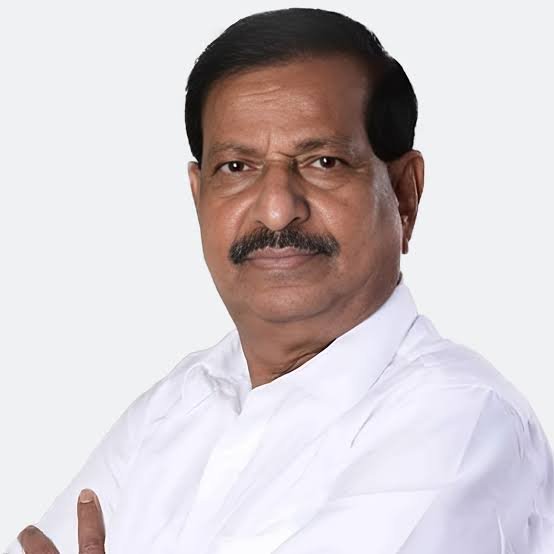

Mumbai — The BJP’s decision to appoint Forest Minister Ganesh Ramchandra Naik as the party in-charge for seven organisational districts across the Mumbai Metropolitan Region (MMR), including Navi Mumbai and Thane, has intensified political heat within the ruling alliance. The appointment places a long-time local strongman at the heart of regions widely regarded as Deputy Chief Minister Eknath Shinde’s political stronghold, raising the stakes ahead of upcoming local-body polls.
Why This Appointment Matters
Ganesh Naik is not just a minister — he is a deeply entrenched regional power centre whose influence spans Navi Mumbai and major parts of Thane. Backed by a strong family-led political network, including his sons Sanjeev and Sandeep Naik, he has successfully retained a loyal base despite shifting through multiple political camps (Shiv Sena → NCP → BJP).
The BJP hopes to leverage Naik’s municipal-level influence, grassroots machinery, and ability to mobilise civic representatives across dozens of competitive wards. His appointment is also seen as a clear signal from the BJP high command that it is prepared to contest aggressively in MMR even where alliance sensitivities are high.
However, this move risks unsettling the Shiv Sena (Shinde faction), given that both Thane and Navi Mumbai fall squarely within Shinde’s political territory. Analysts warn that the decision could intensify seat-sharing tensions, candidate disputes, and worker-level clashes within the alliance.
The Shinde Factor — Rivalry and Realpolitik
The rivalry between Ganesh Naik and Eknath Shinde is well known. Their camps have exchanged sharp remarks for months, and Naik’s appointment will likely reopen these fractures. For the BJP, the strategy is straightforward: deploy a strong regional operator capable of delivering votes. For the Shiv Sena (Shinde), the appointment raises uncomfortable questions about turf, influence, and control over post-poll negotiations.
Signals from local units already show potential turbulence, with some Sena cadres hinting at the possibility of contesting independently if seat-sharing talks collapse.
Ground Realities: Organisational Strengths and Local Grievances
Naik’s power comes from his deep roots in municipal politics — corporators, committees, and local problem-solving networks that have built him a consistent vote base. His public criticism of civic failures, such as Navi Mumbai’s water shortages, has positioned him as a hands-on local leader. The BJP hopes this credibility will energise ward-level mobilisation.
However, the MMR region’s political terrain is layered — infrastructure deficits, builder politics, caste-community networks, and competing power centres complicate any strategy. Without well-coordinated booth-level organisation and united alliance machinery, Naik’s appointment alone may not guarantee results.
Strategic Implications for the Mahayuti Alliance
-
Alliance Management Challenge
The appointment could deepen BJP–Shinde friction. If both contest aggressively in overlapping pockets, vote splits could benefit the opposition. Conversely, if managed intelligently, Naik’s presence could strengthen the Mahayuti’s footprint. -
Message Discipline vs Local Ambition
Naik’s assertive approach can energise BJP supporters but may be interpreted as sidelining Sena interests, unless balanced by senior leadership like Fadnavis. -
Electoral Ripple Effects
A strong performance by Naik could help the BJP expand in neighbouring municipal bodies. But poorly coordinated seat-sharing could result in surprising losses.
What to Watch in the Coming Weeks
-
Seat-sharing announcements — whether the alliance publishes joint lists or competitive lists emerges from local bodies.
-
Ticket distribution in Navi Mumbai & Thane — whether Naik loyalists dominate or seats go to Sena candidates.
-
Public exchanges between factions — statements, leaks, and social media attacks will be key indicators of alliance stress.
-
Booth-level mobilisation — which party controls turnout machinery and ground volunteers will determine many outcomes.
Analyst Take: Smart Gamble or Unnecessary Provocation?
The BJP’s appointment of Ganesh Naik is a calculated political move: he is a proven vote mobiliser in MMR, and his networks could deliver crucial municipal wins. If the BJP manages alliance optics effectively and uses senior leadership to ease tensions, Naik’s appointment could pay significant dividends.
However, the risks are real. Local body elections are intensely personal, and a turf war with the Shiv Sena (Shinde) could inflict long-term damage on the alliance. The BJP must simultaneously leverage Naik’s strengths and limit the fallout of intra-alliance rivalry.
Bottom Line
Ganesh Naik’s appointment signals the BJP’s determination to dominate the MMR region and utilise heavyweight leaders where it matters most. But it also amplifies the alliance management challenge for the ruling Mahayuti. The coming weeks — from ticket announcements to campaign mobilisation — will determine whether this decision becomes a strategic masterstroke or an avoidable provocation.