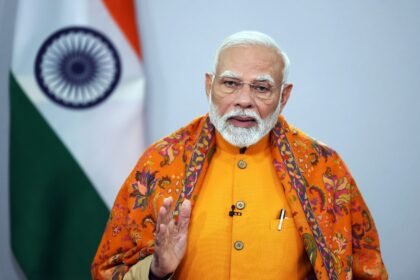

The 2025 Bihar Assembly Elections delivered a sweeping and historic mandate for the National Democratic Alliance (NDA), led by the Bharatiya Janata Party (BJP) and Janata Dal (United). With the coalition securing well above a two-thirds majority, the verdict has reshaped Bihar’s political landscape and raised serious questions about the opposition’s strategy and organisational depth.
This research-driven analysis breaks down the key reasons behind NDA’s extraordinary victory.
1. The Most Successful Social Coalition in a Decade
A major foundation of the NDA’s triumph was its ability to construct a wide and durable social coalition.
OBC & EBC Consolidation
BJP and JD(U) retained and expanded support among non-Yadav OBCs and Extremely Backward Classes (EBCs). Welfare-centered messaging — free ration, rural infrastructure, and housing schemes — resonated strongly with these voter groups.
Dalit & Mahadalit Outreach
Partnerships with HAM(S), along with caste-wise development assurances, strengthened the NDA’s appeal among Dalits and Mahadalits.
Upper-Caste Retention
The BJP’s traditional upper-caste support base remained firmly intact, boosting the alliance in constituencies with narrow margins.
This stable caste arithmetic posed a major challenge for the opposition.
2. The Nitish Kumar Factor: Governance Reputation and Silent Support
Despite political realignments over the years, Nitish Kumar still carries credibility for:
-
Improved rural connectivity
-
Better electricity supply
-
Welfare delivery
-
Women empowerment initiatives
His governance record, combined with the “double-engine government” pitch, helped consolidate support among rural and women voters.
3. BJP’s Organisational Machinery and Micro-Level Management
The BJP deployed one of its most powerful ground operations in Bihar:
-
Booth management via panna pramukhs
-
Micro-targeted WhatsApp messaging
-
Extensive door-to-door outreach
-
Precision turnout mobilisation
High-voltage rallies by Prime Minister Narendra Modi and other national leaders further energised urban and semi-urban voters.
4. Welfare Schemes That Translated Into Votes
Several welfare programs generated strong pro-incumbency tailwinds, especially among economically weaker households:
-
PM Awas Yojana
-
Free ration assistance
-
Rural electrification
-
Women-focused enterprise loans
In a state with deep poverty pockets, these schemes had a decisive electoral impact.
5. The Opposition’s Strategic Missteps
The Mahagathbandhan (RJD–Congress–Left) entered the election with enthusiasm but faltered on several fronts.
Fragmented Messaging
The alliance lacked a clear CM face, coherent policy platform, and unified voter communication.
Seat-Sharing Issues
Delayed seat-sharing decisions disrupted coordination and caused resentment within the alliance.
Leadership Image Problem
Lalu Prasad Yadav’s influence, though strong among a segment of Yadav voters, failed to appeal to aspirational youth seeking development-oriented governance.
Vote Splits by Third Fronts
New entrants like Prashant Kishor’s Jan Suraaj and assorted caste-based outfits fragmented anti-NDA votes across multiple constituencies.
6. Development vs Identity: NDA Dictated the Narrative
While the opposition attempted to foreground caste census and social justice, the NDA successfully reframed the conversation around:
-
Development
-
Stability
-
Law and order
-
Welfare delivery
This narrative shift helped the NDA cut across caste lines and dilute identity-based mobilisation.
7. Women’s Vote: A Quiet but Powerful Shift
Women’s turnout surged to record highs. Key issues fueling their support included:
-
Safety
-
Healthcare
-
Welfare access
-
Children’s education
Nitish Kumar’s longstanding focus on women voters once again proved decisive.
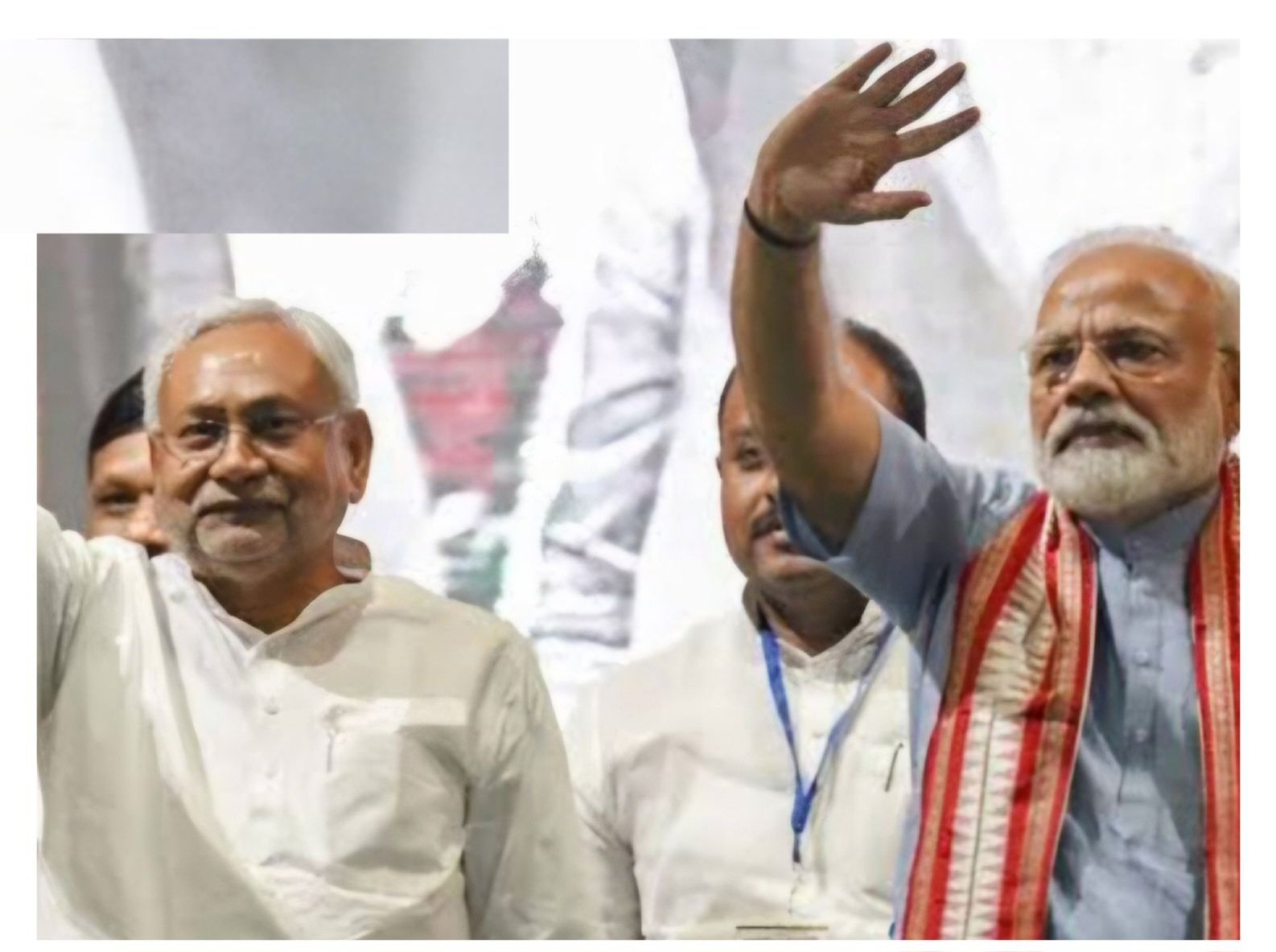
8. Leadership Chemistry: The Modi + Nitish Combination
The BJP leveraged Narendra Modi’s national appeal alongside Nitish Kumar’s regional credibility. Together, they projected:
-
National stability
-
Local administrative competence
-
Social security and welfare continuity
This leadership synergy outmatched the opposition’s fragmented and less coordinated front.
Conclusion
The NDA’s historic victory in Bihar was not driven by any single factor. It was the outcome of a powerful convergence of:
-
Broad social alliances
-
Welfare-backed pro-incumbency
-
Strong organisational discipline
-
Effective alliance management
-
Nitish Kumar’s governance reputation
-
BJP’s high-impact campaign readiness
-
Opposition disunity and strategic errors
Together, these factors created one of the most decisive mandates Bihar has seen in years — a verdict that will influence not just state politics, but national political dynamics in the months ahead.